Back to blog

How to choose the best countries to expand your business?

author
Finevolution
28.05.2025

Expanding your business internationally is one of the most exciting, and risky moves a company can make. With global markets offering fresh opportunities for revenue, talent, and innovation, the appeal is obvious. But success isn’t about picking the biggest economy or the trendiest destination. It’s about finding the right fit. The country that aligns with your strategy, risk tolerance, and long-term goals.

Here, we outline how to evaluate countries for international expansion through a financial and operational lens, so your move isn’t just bold, but smart.

Start with strategy: why are you expanding?

Before researching countries or regulations, take a step back and clarify your purpose. Why is international expansion the next logical step for your business? Perhaps you’re looking to access a larger customer base or diversify your revenue streams to reduce overreliance on a single market. You may want to enter a high-growth region to stay ahead of competitors or relocate part of your operations to benefit from lower costs and higher efficiency.

Your goals should drive your criteria. A company aiming for long-term brand presence will evaluate countries differently than one trying to streamline its supply chain or reach talent in emerging tech hubs. Your “why” defines the lens through which you’ll assess your options.

Evaluate countries using a multi-criteria lens

The best way to approach country selection strategy is by using a structured, criteria-based analysis. Below are the key dimensions to consider when deciding where to take your business next.

  • Market potential

Start with understanding whether there is real demand for your offering in a target country. An ideal market will show signs of healthy consumer or business demand, positive growth trends, and room for innovation or differentiation. Consider if the market is saturated or if there’s a gap your product can fill. Also evaluate how mature the consumer base is and whether your value proposition resonates with local buying habits.

An international expansion strategy grounded in market needs, not assumptions, stands a far greater chance of succeeding.

  • Ease of Doing Business

The operational environment of a country matters just as much as its market size. Ask whether starting and running a business in the country is relatively straightforward or whether bureaucratic roadblocks, unclear regulations, or inconsistent legal enforcement might slow you down. Factors like transparency, property rights, and the ability to enforce contracts play a major role in how smoothly your global market entry unfolds.

Countries with clear, investor-friendly policies and a strong rule of law provide a better foundation for long-term business growth. While the World Bank’s report was discontinued in 2021, archived data is still useful for reference via the Ease of Doing Business Index.

  • Economic and political stability

No company wants to be caught off guard by rapid currency devaluation or a sudden policy shift. Understanding a country’s macroeconomic environment is essential. Look at inflation trends, interest rates, currency volatility, and public debt levels. Politically, assess how stable the current government is and whether there’s a history of protectionism or unpredictable legal changes that could affect foreign businesses.

A politically and economically stable country provides a safer foundation for scaling your operations internationally.

  • Taxation and financial systems

Taxes aren’t just about rates. they’re about structure, transparency, and sustainability. Consider how corporate tax policies will affect your bottom line, but also look at whether tax incentives are genuine or just temporary carrots. Review double taxation treaties and how easy it is to repatriate profits.

In parallel, assess the maturity of the financial system: Can you easily access banking, secure funding, or make cross-border transactions? A strong financial infrastructure supports business agility, especially in volatile times.

  • Talent and labor market

One of the key drivers behind global expansion is access to talent. Evaluate whether the country has the kind of workforce you need, be it tech specialists, customer service agents, engineers, or logistics personnel. Consider labor costs in relation to productivity, as well as employment laws, hiring practices, and cultural work norms.

Access to the right people can make or break your operational performance in a foreign market.

  • Cultural and language fit

Too often, companies underestimate the importance of cultural compatibility in foreign market analysis. Even the strongest value proposition can fall flat if it doesn’t align with local expectations, communication styles, or consumer preferences. Consider how your brand might be perceived in the country and whether your leadership and local teams can collaborate effectively across cultures.

When businesses take time to localize, they build stronger connections and avoid costly misunderstandings.

  • Infrastructure and digital readiness

Whether you’re selling goods or offering digital services, infrastructure matters. Can your product be transported efficiently? Is the internet reliable enough for remote work or e-commerce? Does the population use mobile payments and digital tools at scale?

Digital readiness is especially important for businesses reliant on data, fintech solutions, or remote collaboration. It affects everything from logistics to customer acquisition.

  • ESG and geopolitical considerations

Today’s expansion strategies must consider environmental, social, and governance (ESG) factors. Operating in a country with poor ESG track records can expose your brand to reputational and regulatory risks. Additionally, consider whether the country is involved in international disputes, subject to trade sanctions, or located in a politically tense region.

Thinking beyond economics allows you to future-proof your strategy and protect your global reputation.

Discovering countries for business setup?

We can help! Schedule a free 15-minute consultation with our specialist

yt

Watch for Red Flags

Not all opportunities are created equal. Sometimes a market looks promising on paper but hides deeper risks. Be cautious of countries with a history of currency manipulation or sudden tax law reversals. If investor rights have been ignored in the past or political regimes have shifted dramatically, these are signals that your investment may not be protected.

Overly aggressive incentives from governments may indicate instability or desperation rather than genuine opportunity. Look beneath the surface, and consult legal and financial professionals who understand local dynamics.

Use a framework, not just a feeling

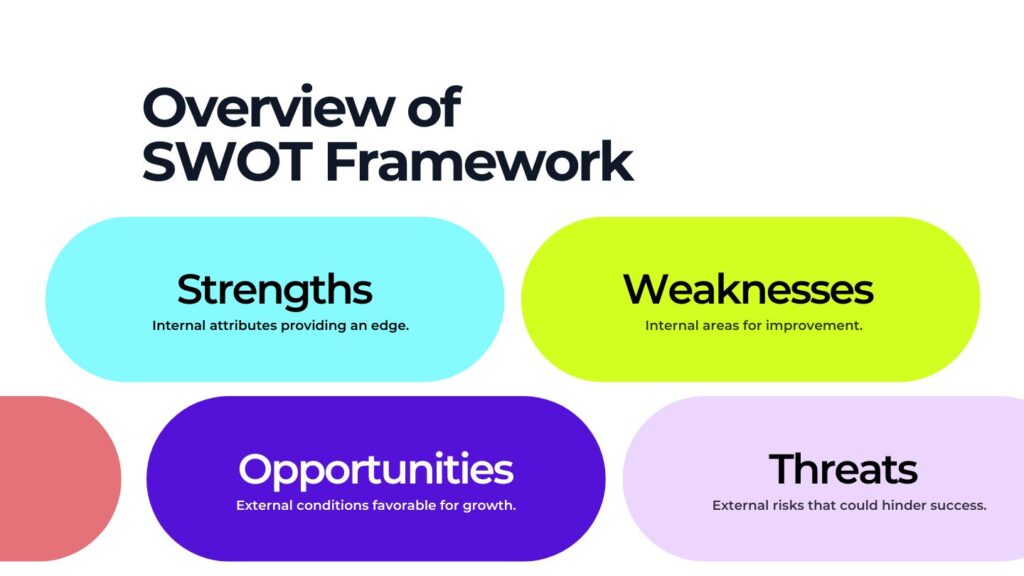
Relying on intuition or peer moves isn’t a solid expansion strategy. Instead, apply a structured evaluation method like a PESTLE analysis, which considers political, economic, social, technological, legal, and environmental factors. Combine this with a SWOT analysis tailored to each country.

SWOT framework

One of the most effective tools worth recommending is a weighted scoring model, where you assign priority to each factor based on your strategic goals. Then, you objectively score potential countries against those priorities. This helps remove bias and puts financial intelligence at the core of your decision-making.

Learn from the field: A tale of two expansions

Consider the case of a mid-sized SaaS company that expanded into Poland. They chose the market based on its highly educated tech workforce, EU market access, and attractive operating costs. Within 18 months, their regional office was profitable. Read the full case on Itentio’s blog.

WALMART

Contrast that with a retail brand that expanded into Brazil without adjusting its pricing model or supply chain for local realities. Despite the massive consumer base, poor localization and logistical issues led to their exit after two costly years. Castus Global explains how even giants like Walmart can misstep without proper market entry strategy.

From country selection to market entry

Identifying the right country is only part of the international expansion process. The next step is choosing your entry strategy. Will you form a joint venture, acquire a local player, or establish a wholly owned subsidiary? Your mode of entry should match your risk appetite, control preferences, and operational capabilities. We often advise a phased rollout, where companies test the market with a pilot before committing large-scale resources. This approach helps de-risk the investment while building local insight.

The best country is the best fit

There’s no such thing as a single “best” country for business. It always depends on your goals. But based on our experience helping clients across sectors and regions, we consistently recommend four jurisdictions that combine ease of setup, tax efficiency, and global credibility.

Estonia: Europe’s most Digital-Friendly jurisdiction

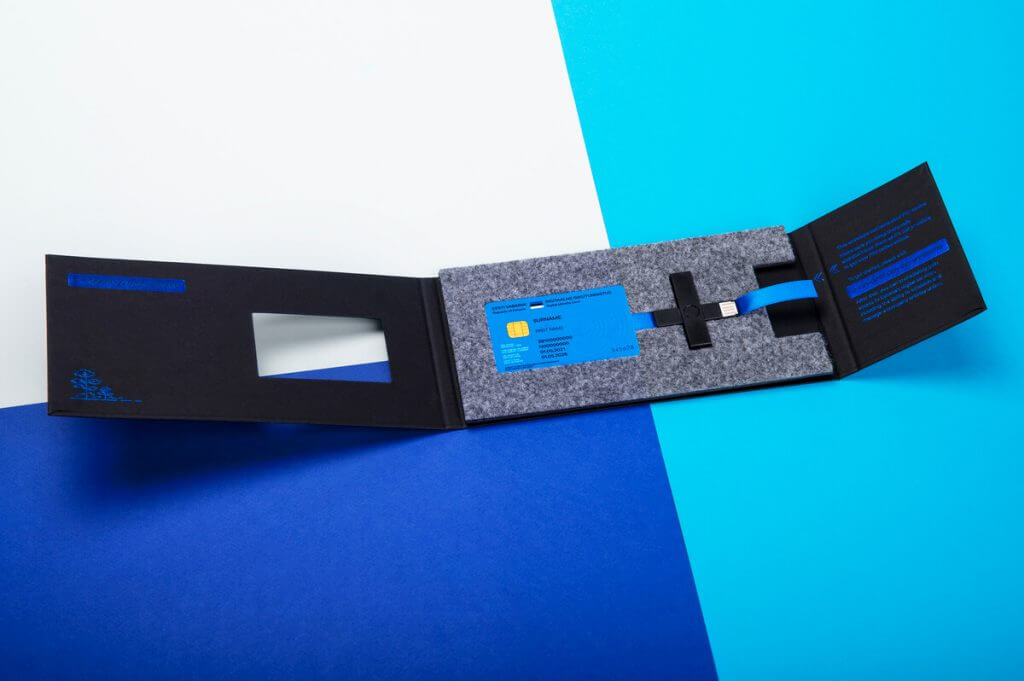
If you’re building lean, fast, and remote, registering your company in Estonia should be at the top of your list. Estonia offers a fully digital experience through its e-Residency program, and the tax system is a huge draw: you pay 0% corporate tax on retained and reinvested profits.

As we explain in our blog post on why Estonia is where unicorns are born, the country is not only startup-friendly, but also forward-thinking in terms of regulation, digital identity, and data privacy. If you’re curious about the numbers, our Estonia tax guide breaks it down clearly.

Estonia is ideal for SaaS businesses, digital nomads, and remote-first founders who want to scale across Europe without heavy compliance overhead.

Poland: strategic base for EU market access

When it comes to setting up a business in the EU with strong B2B potential, consider company registration in Poland, as it offers compelling advantages. Small businesses enjoy a 9% corporate income tax rate (with 19% as the standard), and company formation is available fully online.

Poland also benefits from a high VAT refund rate (23%), solid banking infrastructure, and proximity to the DACH market, making it a great fit for marketplace sellers, remote teams, and digital service providers targeting the EU.

Romania: ultra-low taxes for Micro-Companies

If you’re looking for a cost-effective, low-barrier entry into the EU, company registration in Romania is a smart move. Romania offers 1% corporate tax for micro-companies with revenue under €60,000, one of the lowest in the EU.

Its SRL structure is flexible and affordable, with minimum share capital requirements of just ~€40. Romania works especially well for freelancers, and tech founders looking to keep startup costs low while maintaining access to European markets.

Hong Kong: Asia-Pacific reach with global credibility

For international trade, SaaS startups, and businesses looking to break into Asia, setting up in Hong Kong delivers speed, credibility, and smart tax advantages. Under the two-tiered system, CIT is only 8.25% on your first HKD 2M, and there’s no VAT or withholding tax on dividends or royalties.

Hong Kong’s banking system is one of the most established in the world, with access to global players like HSBC and Hang Seng, plus a wide range of fintech PSPs. Setup can take as little as two weeks, making this a highly attractive base for eCommerce brands, holding structures, and Asia-facing businesses.

Not sure which jurisdiction suits your business? Let’s figure it out together. We will guide you through the decision based on your business model, and growth plans.


Contact us at Finevolution to discover which countries offer the best fit for your international expansion. Our team is ready to provide consultation on these issues. Our business hours: Monday to Friday, 9:00 AM — 7:00 PM. Contact us via WhatsApp, Telegram, or Viber, or submit an inquiry through our online form.